
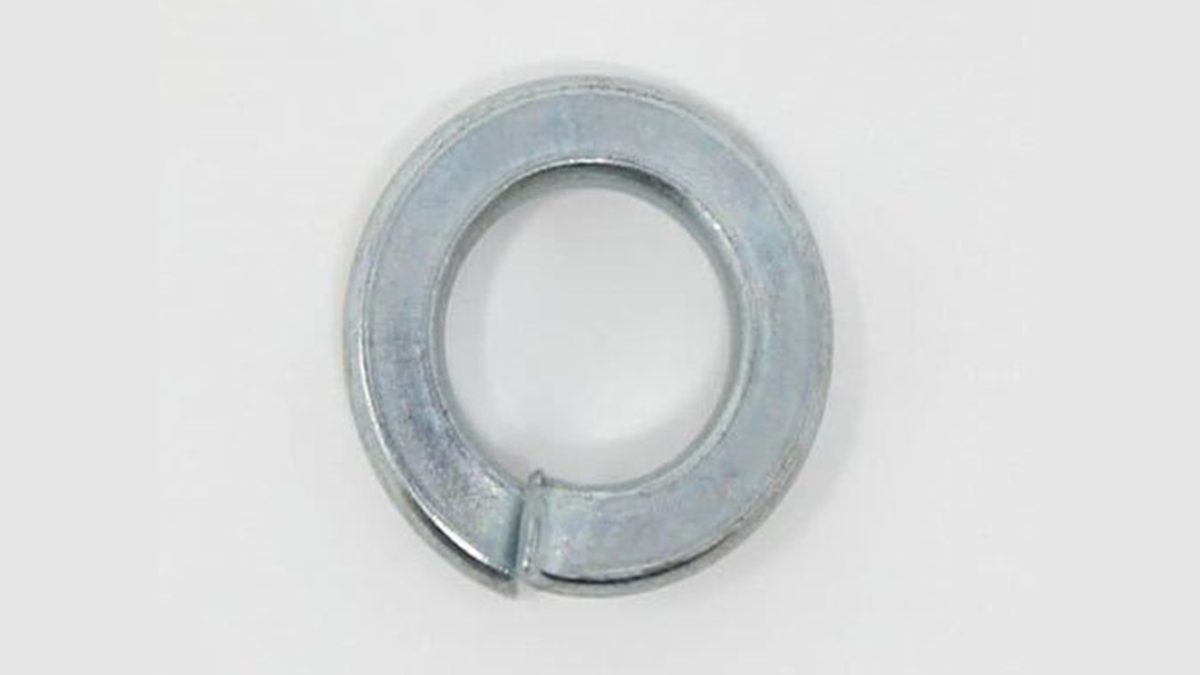
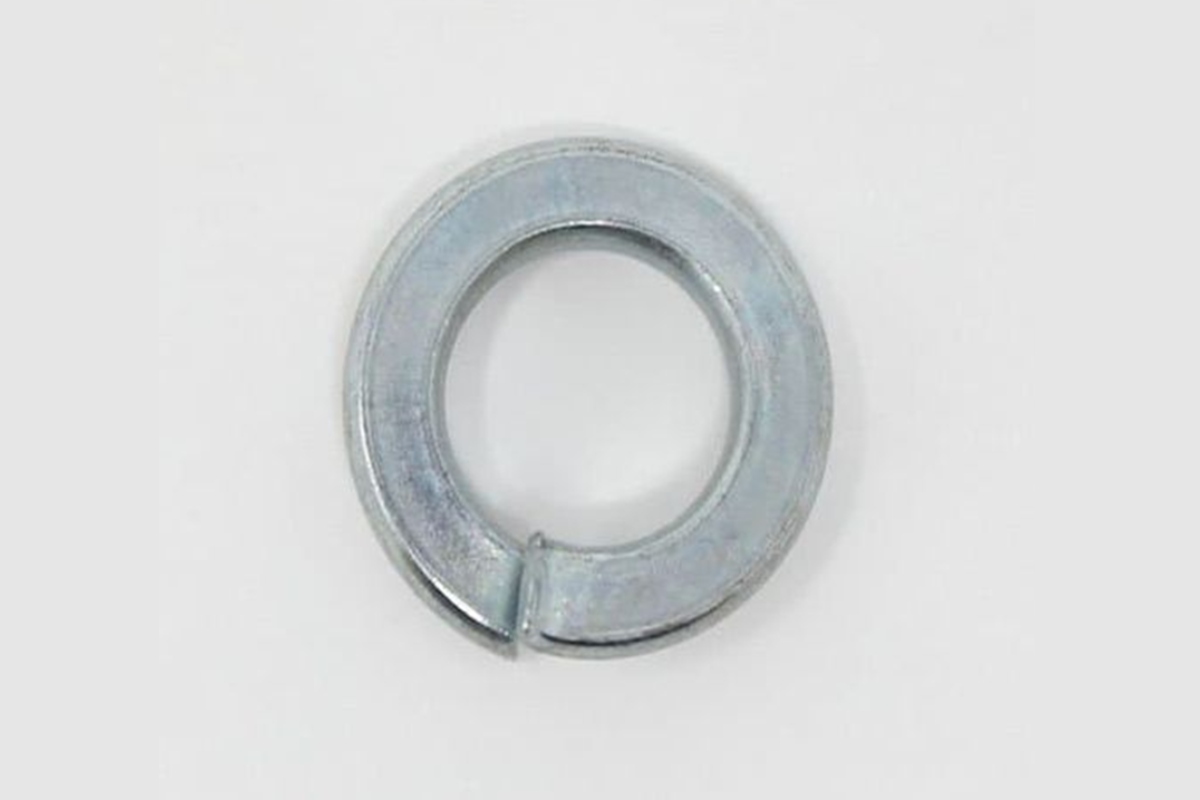
As time passes, bolted nuts and different types of threaded fasteners may loosen up as a result of friction and joint movement. This is when lock washers are used to hold those objects in place. Not only are they an affordable option but they are also an easy way to keep threaded fasteners steady over a long period.
Lock washers come in several different types and sizes, and all of them are widely used in the manufacture of aircraft and in many structural applications where the loss of connections can have bad safety consequences.
If by any chance you are wondering how they work, below we provide you with an engineer’s guide for using lock washers.
Table of Contents
Key Professionals and Specialists Involved in Lock Washer Design and Usage
Lock washers are not only simple hardware components; they are part of larger engineering systems. Several professionals work with these fasteners in design, manufacturing, and installation.
| Specialist | Role in Lock Washer Application | Industries |
|---|---|---|
| Mechanical Engineers | Design fastener assemblies and specify washer types for vibration resistance | Automotive, Aerospace |
| Industrial Designers | Integrate fasteners into machinery and equipment designs | Manufacturing |
| Maintenance Engineers | Inspect and replace washers during maintenance cycles | Factories, Power Plants |
| Quality Control Engineers | Ensure washers meet international standards (DIN, ISO, ASME) | Hardware manufacturing |
| Procurement Specialists | Source washers from global suppliers and manage costs | Construction, Engineering firms |
These professionals evaluate multiple factors such as material strength, vibration exposure, torque levels, and environmental conditions when selecting lock washers.
The Basics
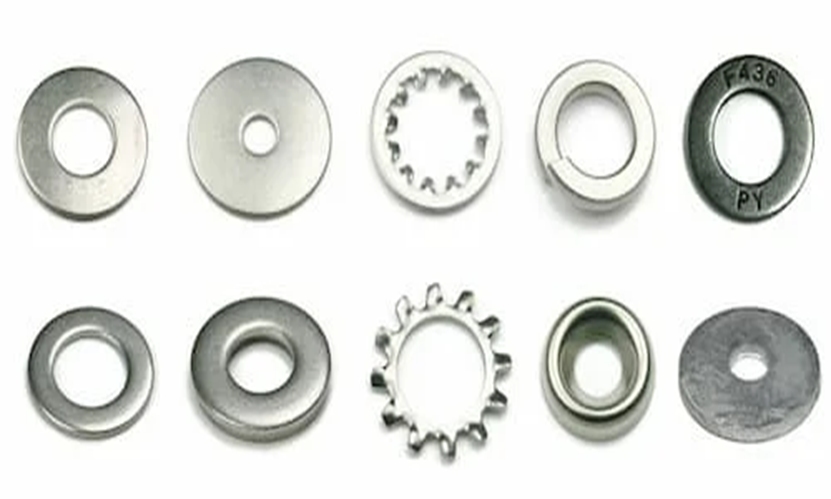
A lock washer, like other types of washers, distributes the load of the fastened object more evenly. Bolts may loosen their grip over time and if installed in a piece of equipment or a machine, they may gradually unscrew and eventually find their way out of the threading hole where they were initially installed. This is prevented with lock washers as they secure the bolt in place.
Even if heavy vibrations are produced by the equipment or the machine, the bolt won’t be able to loosen if it is properly secured with a lock washer. Some of the most common types of lock washers are split, spring, and wedge washers.
Average Lock Washer Prices and Cost Factors in 2025–2026
Lock washers are generally inexpensive components, but their prices vary depending on material, size, manufacturing quality, and type.
| Type of Lock Washer | Material | Typical Price (per 100 pieces) | Usage |
|---|---|---|---|
| Split Lock Washer | Carbon Steel | $3 – $8 | General machinery |
| External Tooth Washer | Stainless Steel | $6 – $15 | Electrical equipment |
| Internal Tooth Washer | Steel / Zinc plated | $5 – $12 | Electronics |
| Belleville Washer | Spring Steel | $10 – $30 | High-temperature assemblies |
| Wedge-Lock Washer | Hardened Steel | $40 – $120 | Heavy industrial machinery |
Cost Factors
Several variables influence lock washer prices:
-
Material quality: Stainless steel and hardened alloys cost more than carbon steel.
-
Manufacturing standards: Precision washers with ISO or DIN certification cost more.
-
Bulk purchasing: Industrial buyers receive discounts for large quantities.
-
Coatings: Anti-corrosion coatings such as zinc plating increase cost slightly.
Despite their small size, lock washers play a major role in preventing maintenance costs and equipment failure, making them a cost-effective solution.
Assembling a Lock Washer
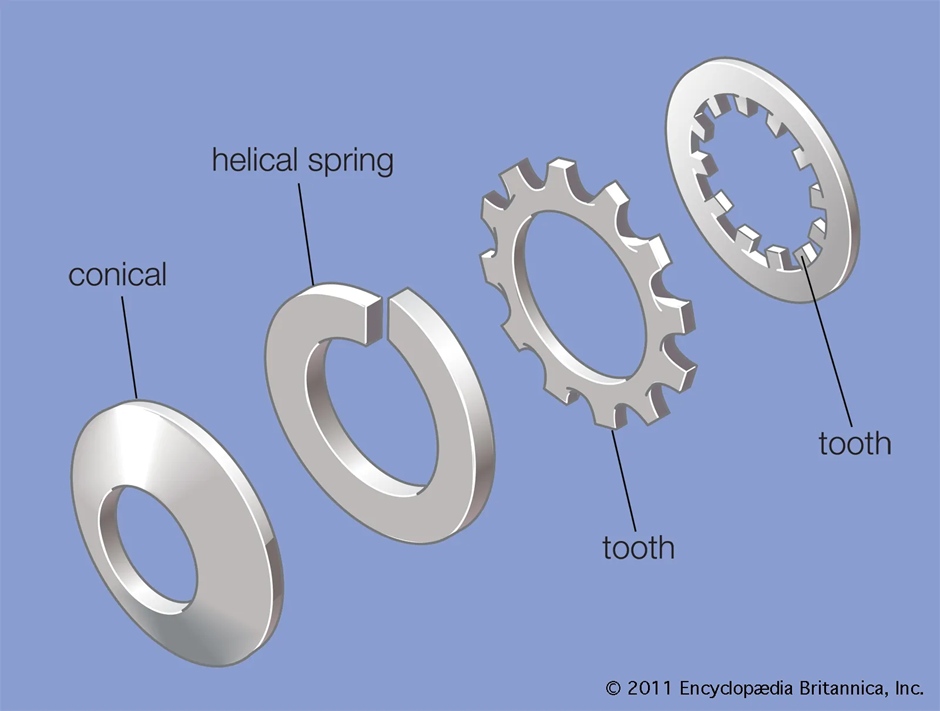
You should first place the lock washer under the threaded fastener. When used accurately, the lock washer will hold the nut or other threaded fastener in the right place. To help the lock washer accomplish this, put it on first below the fastener. If your task calls for other washers or hardware elements, place them before the loch washer so that it can hold them correctly in place.
The next thing you should do is make sure the washer is tight against the fastener and other surfaces. It must press against both the threaded fastener and other adjacent surfaces and achieve a tight connection. If a tight connection isn’t created, press down the fastener. This is especially important when dealing with lock nuts which demand that the grooves of a toothed washer lock together with the nut’s grooves.
For small jobs, you should tighten your nut or threaded fastener by turning a wrench or ratchet clockwise until the fastener is firm. For large projects, consult your manual or nut head markings for a specific torque value, and then tighten your fastener to the specified amount by using a torque wrench.
To make sure that the lock washer is operating correctly, check to see that the teeth on your washer are fully covered by the nut or fastener head. If it isn’t operating as it should, loosen the nut or threaded fastener and fix the washer.
Removing Lock Washers
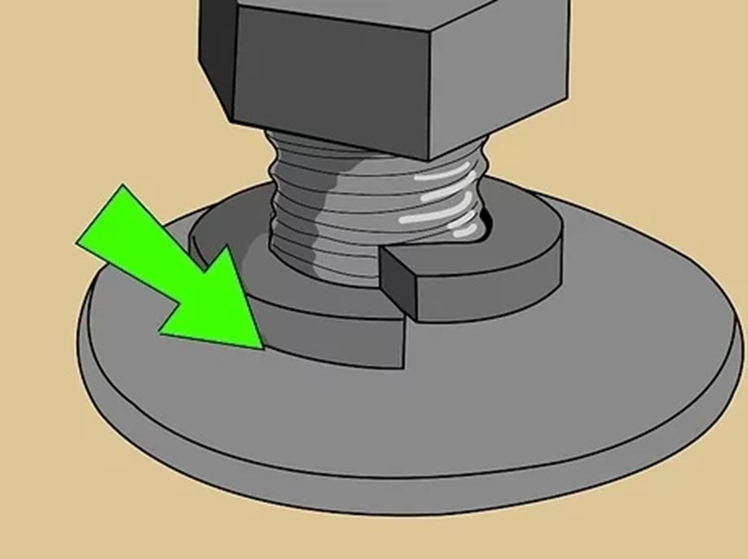
When you want to remove a lock washer, then you should proceed by removing the nut or threaded fastener holding the washer in place. You can attach a basic wrench or vise-grip and start turning it counter-clockwise. Feel free to use a strong tool such as a pipe wrench for stuck nuts and threaded fasteners.
If by any chance you are removing a split washer, make sure to place the screwdriver head below the washer or inside the split and start pushing. Place your screwdriver head under a tooth and push up if you are removing a washer with teeth, and repeat with more teeth if needed. When it comes to other washers, place the screwdriver head below the washer and push it up.
If too much pressure is put on the washer, it may even break when removed. If you’re unable to get the washer off, spray it with lubricant. Another important thing is to refrain from using a split lock washer or washer that is worn out and damaged.
Major Global Manufacturing and Supply Locations for Lock Washers
Lock washers are produced and distributed worldwide. The largest production centers are located in regions with strong industrial manufacturing sectors.
| Region | Major Countries | Key Industry Applications |
|---|---|---|
| North America | United States, Canada | Aerospace, heavy machinery |
| Europe | Germany, UK, Italy | Automotive manufacturing |
| Asia-Pacific | China, Japan, India | Electronics, industrial equipment |
| Middle East | UAE, Saudi Arabia | Oil and gas infrastructure |
| Latin America | Brazil, Mexico | Construction and automotive |
Asia-Pacific has emerged as the largest manufacturing hub for fasteners, largely due to lower production costs and strong industrial demand.
Comparison Between Different Types of Lock Washers
Different lock washer types provide varying levels of performance depending on vibration conditions, load requirements, and material compatibility.
| Washer Type | Mechanism | Advantages | Limitations |
|---|---|---|---|
| Split Lock Washer | Spring tension | Low cost, widely available | Less effective under heavy loads |
| External Tooth Washer | Serrated teeth grip surfaces | Good electrical grounding | Can damage soft materials |
| Internal Tooth Washer | Internal teeth create friction | Compact and neat | Lower grip strength |
| Belleville Washer | Conical spring maintains tension | Ideal for thermal expansion | Higher cost |
| Wedge Lock Washer | Cam wedge mechanism | Excellent vibration resistance | Expensive |
Testing studies show that wedge-lock washers can retain up to 93–97% of bolt preload after vibration cycles, outperforming other types significantly.
Therefore, engineers typically choose washer types based on application severity and required reliability.
Industry Reviews and Performance Feedback
Feedback from engineers and industrial maintenance professionals highlights several key observations about lock washers:
Positive Reviews
-
Improve joint stability in machinery and engines
-
Reduce maintenance frequency in vibration environments
-
Low cost and easy installation
Common Concerns
-
Some washers lose effectiveness after reuse
-
Split washers may flatten under high torque
-
Incorrect installation can reduce performance
Community discussions among engineers often mention that proper torque and installation are just as important as the washer type itself.
This highlights that lock washers work best when combined with correct torque specifications and proper assembly practices.
New Updates and Industry Trends from 2025 to 2026
Recent developments in fastening technology have improved lock washer performance.
1. Advanced Materials
Manufacturers are increasingly using high-strength stainless steel and alloy materials to improve durability and corrosion resistance.
2. Smart Fastening Systems
Some industries now combine lock washers with digital torque monitoring tools to ensure proper installation.
3. Improved Manufacturing Standards
Global manufacturing standards such as ISO, DIN, and ASME are becoming more widely adopted to ensure consistent quality.
4. Increased Automation
Automated production lines now allow high-precision washer manufacturing with minimal defects.
5. Sustainability
Manufacturers are exploring recyclable metal alloys and eco-friendly coatings to reduce environmental impact.
These innovations are expected to enhance lock washer reliability and extend their use across industries.
Conclusion
Lock washers remain an essential component in mechanical fastening systems. Although they are small and inexpensive, their role in preventing bolt loosening and maintaining structural integrity is critical.
With growing industrial development worldwide, lock washers continue to evolve through better materials, improved manufacturing techniques, and advanced engineering standards.
From automotive engines to heavy machinery and electronics, these simple components ensure safety, durability, and long-term reliability in countless applications.
For engineers and technicians, choosing the correct washer type and installing it properly is key to achieving the best results.
