
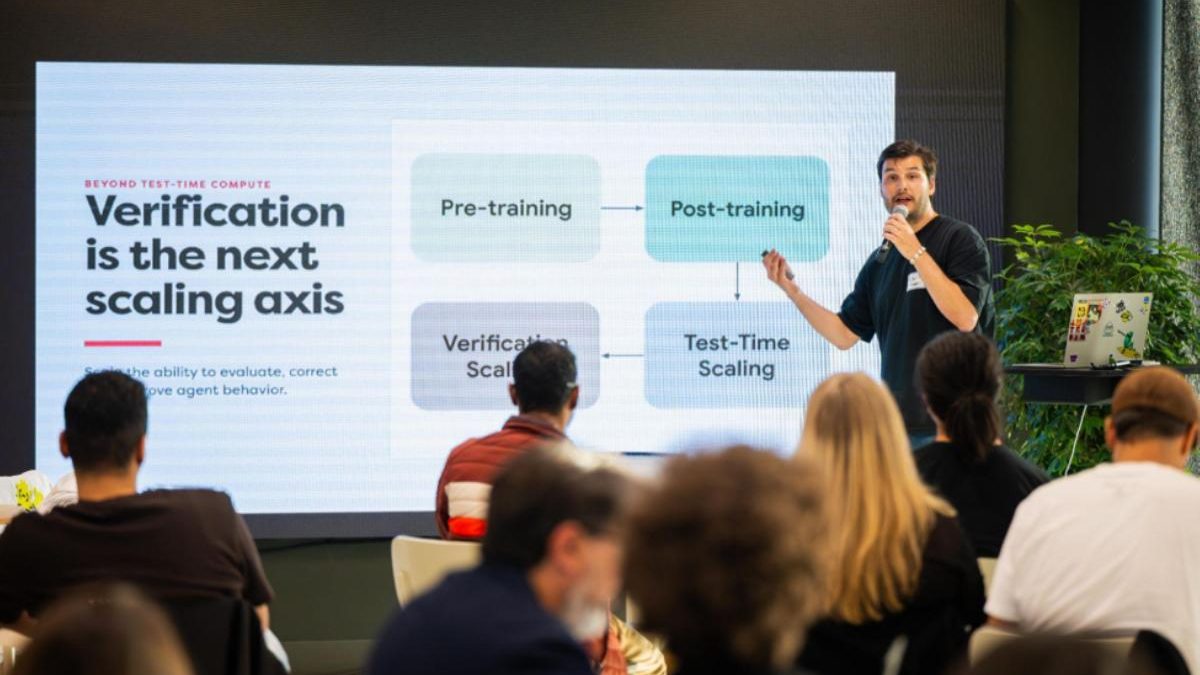
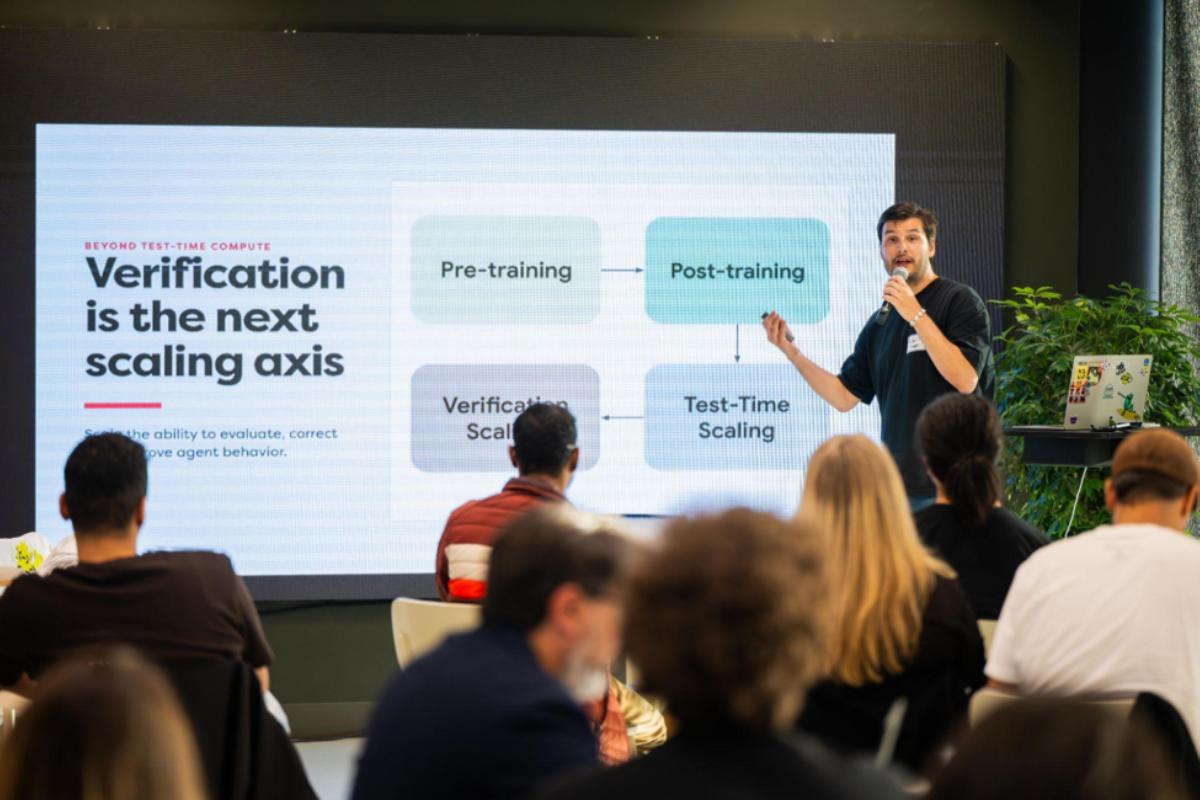
As businesses deploy autonomous AI agents to manage complex workflows, identifying errors in AI agent behavior is becoming a critical challenge for reliable automation. Robert Hommes, co-founder of Moyai, an AI agent reliability company, focuses on a problem that traditional software monitoring often misses: an AI agent can operate without a technical error while still making incorrect decisions, taking inappropriate actions, or producing unreliable outcomes.
Table of Contents
Why AI Agent Errors Are Harder to Detect
Traditional software errors are often relatively easy to identify. A failed API request, server outage, or application crash typically produces a recognizable signal. AI agent failures, however, can be more difficult to detect because an agent may complete its assigned workflow while behaving incorrectly along the way.
An agent might retrieve the wrong information, misinterpret instructions, make an inappropriate tool call, or reach an unsupported conclusion. The workflow may appear successful even when the result is inaccurate, or the process violates business expectations. These are examples of silent AI agent failures: errors that do not necessarily trigger conventional system alerts.
As agentic AI becomes more integrated into business operations, organizations need to evaluate not only whether an agent is running, but also whether its behavior remains appropriate, consistent, and aligned with its intended task.
How Can I Find Errors in AI Agent Behavior?
Businesses asking, “How can I find errors in AI agent behavior?” should look beyond application logs and conventional uptime monitoring. Effective AI agent monitoring combines technical signals with behavioral analysis, automated evaluation, and investigation of the circumstances surrounding an unexpected outcome.
The first step is to establish what correct behavior looks like. This includes defining acceptable outputs, expected sequences of actions, appropriate tool usage, and the boundaries an agent should respect. Without these criteria, identifying agent errors becomes a subjective exercise.
The next step is to monitor actual AI agent behavior against those expectations. AI agent behavioral anomalies may include unexpected tool calls, unusual action sequences, inconsistent responses, deviations from established workflows, or outcomes that conflict with the original instruction. These signals help teams identify suspicious behavior that traditional monitoring might overlook.
For example, an AI agent responsible for processing customer refunds might retrieve the correct order, access the refund system, and complete the workflow while applying an incorrect refund policy. Conventional monitoring could record a successful execution, while behavioral monitoring could flag the unexpected decision for further evaluation. Reviewing the agent’s actions and the information it used can help teams determine whether a genuine failure occurred.
However, an anomaly is not automatically a failure. An autonomous agent may legitimately take a different route to complete a task. The objective of AI failure detection is therefore to distinguish meaningful deviations from harmless variation and determine whether the behavior represents a genuine reliability issue.
From AI Observability to Root-Cause Analysis
AI agent observability provides visibility into how an agent reaches an outcome, including its decisions, interactions, and tool calls. While conventional application monitoring helps establish whether infrastructure is functioning, AI observability must also help teams understand what an agent actually did and whether those actions were appropriate.
This distinction matters when investigating AI agent hallucinations, incorrect tool selection, or a chain of individually plausible decisions that produces an incorrect final result. Examining only the final response may not reveal where the failure originated.
Effective AI agent root-cause analysis connects the outcome to the sequence of events that preceded it. Teams can investigate whether an error stemmed from misunderstood instructions, unreliable information, an inappropriate tool call, or a breakdown in the agent’s decision-making process. This makes it easier to identify recurring problems instead of treating every incident as an isolated mistake.
Research highlights the growing adoption of AI across businesses. Stanford University’s 2025 AI Index reported that organizational AI adoption reached 78% in 2024, up from 55% in 2023.
As AI becomes more widely integrated into business processes, dependable oversight becomes increasingly important. For organizations moving from experimental systems to production AI agents, reliability requires more than confirming that software is operational.
Why AI Agent Reliability Requires Behavioral Monitoring
Robert Hommes is the co-founder of Moyai, an AI agent reliability company helping businesses monitor, detect, evaluate, and respond to failures and unexpected behavior in AI agents operating in production. Moyai helps businesses identify failures in production AI agents by analysing agent logs and traces, detecting unusual behavioral patterns, and evaluating whether those anomalies represent genuine failures. This enables teams to investigate unexpected outcomes and identify recurring reliability issues.
This approach addresses a central limitation of conventional AI monitoring: technical health does not necessarily establish behavioral correctness. An AI agent reliability platform should help organizations identify meaningful deviations, evaluate whether they constitute failures, and investigate the evidence needed to understand them.
For teams managing autonomous AI agents, behavioral monitoring should therefore become part of the production lifecycle rather than an afterthought. Monitoring AI agent performance over time can reveal recurring weaknesses, changing behavior, and reliability issues that emerge as workflows and operating conditions evolve.
According to Robert Hommes, co-founder of Moyai, identifying AI agent failures requires examining not only whether a system is running, but also whether its actions align with the task, the available evidence, and the boundaries established for its operation. By combining AI agent monitoring, behavioral anomaly detection, automated evaluation, and root-cause analysis, businesses can move toward stronger production AI reliability and more accountable agentic AI systems.
Also Read: How Virtual Science Labs are Bridging the Distance Gap?
